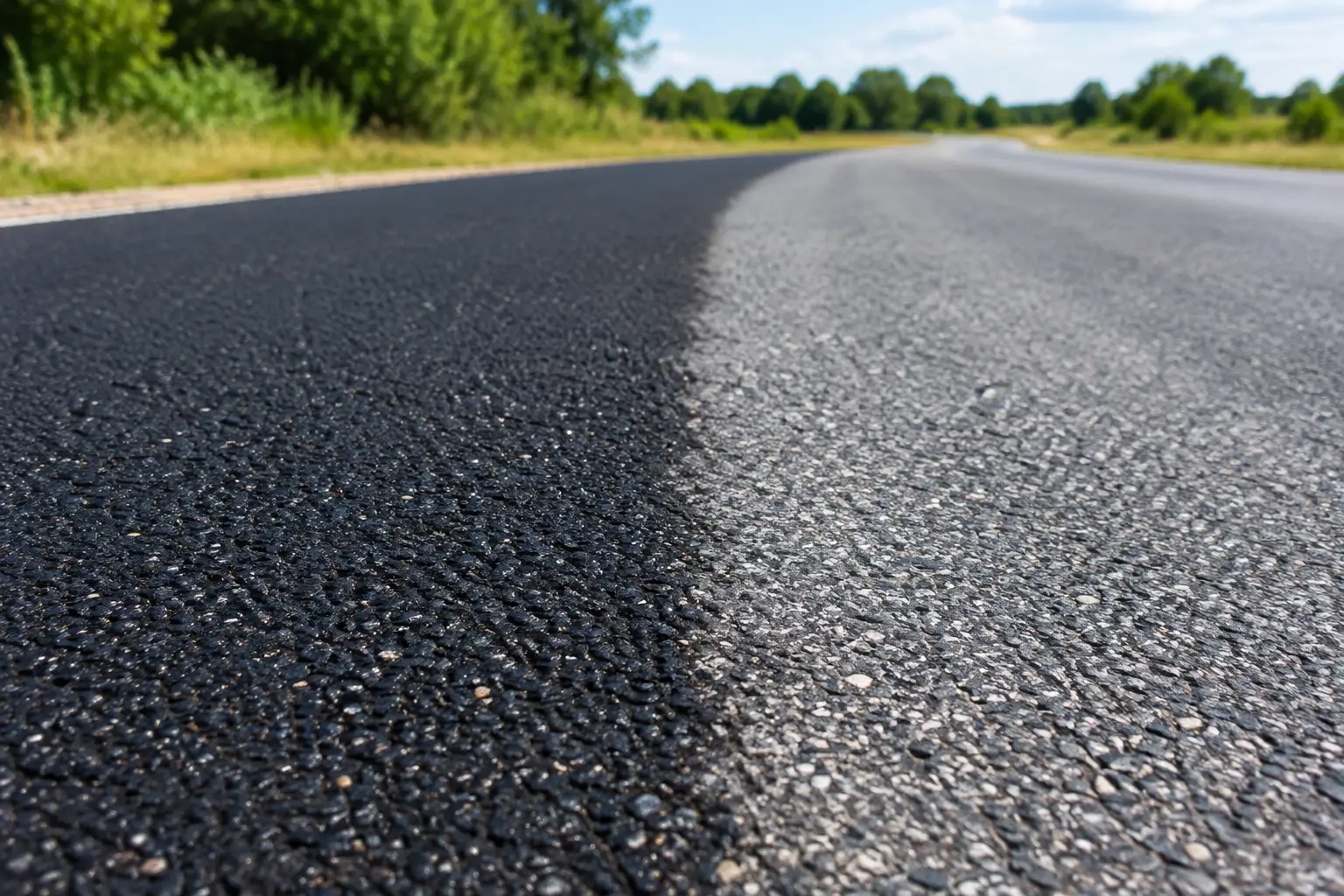
A driveway does not usually fail all at once. It starts losing its deep black color, turns dull gray, and begins to feel dry or rough underfoot. That change is often asphalt oxidation at work. Left alone, oxidation makes pavement more brittle, more prone to cracking, and less able to stand up to Pennsylvania weather.
For homeowners, this can mean a once-sharp driveway starts hurting curb appeal and collecting water in new cracks. For commercial properties, it can mean a parking lot that looks neglected, creates trip hazards, and moves closer to expensive repairs. The good news is that oxidation can be managed when it is caught early and treated with the right maintenance plan.
What Is Asphalt Oxidation?
Asphalt is made with aggregates such as stone and sand held together by an asphalt binder. When pavement is new, that binder is flexible, dark, and able to move slightly as temperatures change or vehicles pass over it. It is what helps the surface resist normal wear without immediately cracking.
Oxidation happens when oxygen and ultraviolet sunlight break down that binder over time. The oils that keep asphalt flexible gradually dry out. The surface lightens from black to charcoal gray, then often to a faded, dusty-looking gray. As it loses flexibility, the pavement cannot handle stress as well.
Think of it as a protective layer slowly wearing away. A faded surface is not just a cosmetic concern. It is an early warning that the material below is becoming less protected from water, traffic, fuel drips, snow removal, and freeze-thaw movement.
Why Pennsylvania Asphalt Oxidizes Faster
Every paved surface ages, but local conditions influence how quickly the process takes hold. West Chester and the surrounding Pennsylvania area see hot summer sun, winter freezing, heavy rain, snow, ice, and frequent temperature swings. Asphalt has to expand and contract through all of it.
Sunlight is a major contributor because UV exposure breaks down the binder at the surface. Heat adds stress by softening pavement during the day, while cooler nights cause it to contract. Then winter brings a more damaging cycle: water enters small openings, freezes, expands, and forces those openings wider.
Vehicle traffic matters, too. A residential driveway may oxidize gradually from sun and weather, while a busy commercial lot sees added pressure from turning tires, delivery vehicles, and repeated traffic in the same lanes. Gasoline, motor oil, and other automotive fluids can soften and weaken asphalt binder, especially when spills are allowed to sit.
Drainage is another factor that should never be ignored. Water that pools on a driveway or lot gives oxidation damage an opening to become structural damage. Once water reaches the base beneath the asphalt, the risk of soft spots, potholes, and pavement failure rises quickly.
The Signs You Should Not Ignore
A gray surface alone does not always mean the asphalt needs replacement. In many cases, it means the pavement is ready for protective maintenance. The key is looking beyond color and checking whether the surface is still sound.
Watch for these four signs:
- A faded gray or brownish surface that no longer has a rich black appearance.
- Fine, hairline cracks that spread across the pavement like a web.
- A rough, dry texture where small stones begin to show at the surface.
- Water that lingers in cracks, low spots, or along pavement edges after rain.
Small cracks are especially important. Oxidized asphalt becomes brittle, so a minor crack can spread faster under vehicle weight and changing temperatures. Filling those cracks before water gets beneath the pavement is one of the most practical ways to protect the investment already in place.
What Happens When Oxidation Is Left Untreated
The progression is predictable. First, the surface fades and dries. Next, hairline cracks develop as the binder loses flexibility. Water enters those cracks, weakens the base, and creates larger openings. Eventually, the pavement can develop alligator cracking, edge failure, depressions, and potholes.
At that point, seal coating alone is no longer the answer. Sealcoat is a surface-protection treatment, not a cure for failed asphalt or a substitute for proper repairs. Cracked, broken, or unstable areas need to be repaired first so the new protective coating is applied over a solid surface.
This is where delaying maintenance becomes expensive. A driveway with early oxidation may need cleaning, crack filling, and seal coating. A driveway with widespread structural damage may require patching, resurfacing, or replacement. The same principle applies to commercial parking lots, where a neglected section can create safety concerns and disrupt tenants, customers, or daily operations.
How Seal Coating Helps Stop Oxidation
Professional seal coating creates a protective barrier over the asphalt surface. It limits direct exposure to UV rays, helps resist water intrusion, and provides added protection from normal automotive fluid drips. It also restores the clean black finish that makes a driveway or parking lot look cared for.
The appearance benefit is immediate, but the real value is preservation. A properly selected and professionally applied sealcoat helps slow the binder breakdown that leads to brittle pavement. It does not make asphalt permanent, and it cannot correct poor drainage or deep cracks. What it does is give a sound surface a better chance to perform for years longer.
Preparation determines whether a seal coating job delivers that value. The pavement should be cleaned thoroughly, vegetation should be removed from cracks and edges, oil spots should be addressed, and cracks or potholes should be repaired before coating begins. Applying material over dirt, loose debris, or failing asphalt is not protection. It is a shortcut.
For commercial properties, the work should also be coordinated around traffic flow, tenant access, cure time, and striping needs. Fresh line striping after seal coating gives a parking lot a professional finish while helping maintain clear spaces, traffic direction, and ADA-compliant markings.
When Should You Seal Coat a Driveway or Parking Lot?
Timing depends on pavement age, surface condition, traffic level, drainage, and the quality of previous maintenance. Most asphalt benefits from periodic inspection rather than following a calendar blindly. A lightly used residential driveway may have different needs than a retail parking lot with daily traffic and frequent turning movements.
As a general rule, do not wait until the pavement is heavily cracked and crumbling. Once fading, dryness, and small cracks appear, it is time to assess the surface. A professional evaluation can determine whether the pavement is a good candidate for crack repair and seal coating or whether more substantial repairs are needed first.
Weather conditions matter during application. Sealcoat needs appropriate temperatures and dry conditions to cure properly. Rushing the work during unsuitable weather can compromise the finish and reduce the protection you expect. A dependable contractor will explain the schedule, preparation, and curing requirements clearly instead of promising an unrealistic turnaround.
Simple Habits That Help Asphalt Last
Seal coating is a strong line of defense, but property owners can reduce wear between service visits. Keep leaves, dirt, and standing water from building up along edges and low spots. Clean up vehicle fluid spills promptly. Avoid parking heavy equipment in the same location for long periods, especially during hot weather when asphalt is softer.
Pay attention after storms and through winter. If you see water collecting where it did not collect before, or if a crack becomes noticeably wider, schedule an inspection. Early attention is less disruptive and usually far less costly than waiting for a pothole to form.
For property managers, a scheduled maintenance plan makes these decisions easier. Regular inspections, timely crack filling, surface protection, and fresh markings allow budgeting to stay predictable while helping the property remain safe and presentable.
Protect the Surface Before Damage Takes Over
Oxidation is normal, but severe pavement deterioration does not have to be. The Eagle Standard in Seal Coating starts with an honest look at the surface, recommends repairs only where they are needed, and applies protection with the care a visible property investment deserves.
If your asphalt has faded, cracked, or started holding water, do not wait for a small warning sign to become a major repair. A no-pressure estimate can give you a clear picture of the pavement’s condition and the practical next step. The Eagle Protects. Your Asphalt Lasts.
Need Help With Your Driveway?
Get a free, no-obligation estimate from Eagle Seal Coating. We'll give you an honest recommendation — no pressure.
Get My Free Estimate →