A driveway can look fine from the street while water is quietly working through small cracks, weakening the base beneath it. By the time potholes, crumbling edges, and faded gray pavement become obvious, the repair bill is usually higher. The benefits professional sealcoating services bring start with stopping that cycle early – protecting the asphalt you already own before minor wear turns into major damage.
For homeowners, that means a cleaner-looking driveway and fewer expensive surprises. For commercial properties, it means safer access, a more professional first impression, and a maintenance plan that helps avoid disruptive resurfacing work. The Eagle Protects. Your Asphalt Lasts.
What Sealcoating Actually Protects
Asphalt is built to handle traffic, but it is not maintenance-free. Its binding oils break down over time under Pennsylvania sun, rain, snow, road salt, vehicle traffic, and temperature swings. Once the surface loses flexibility, it becomes more vulnerable to cracking and water infiltration.
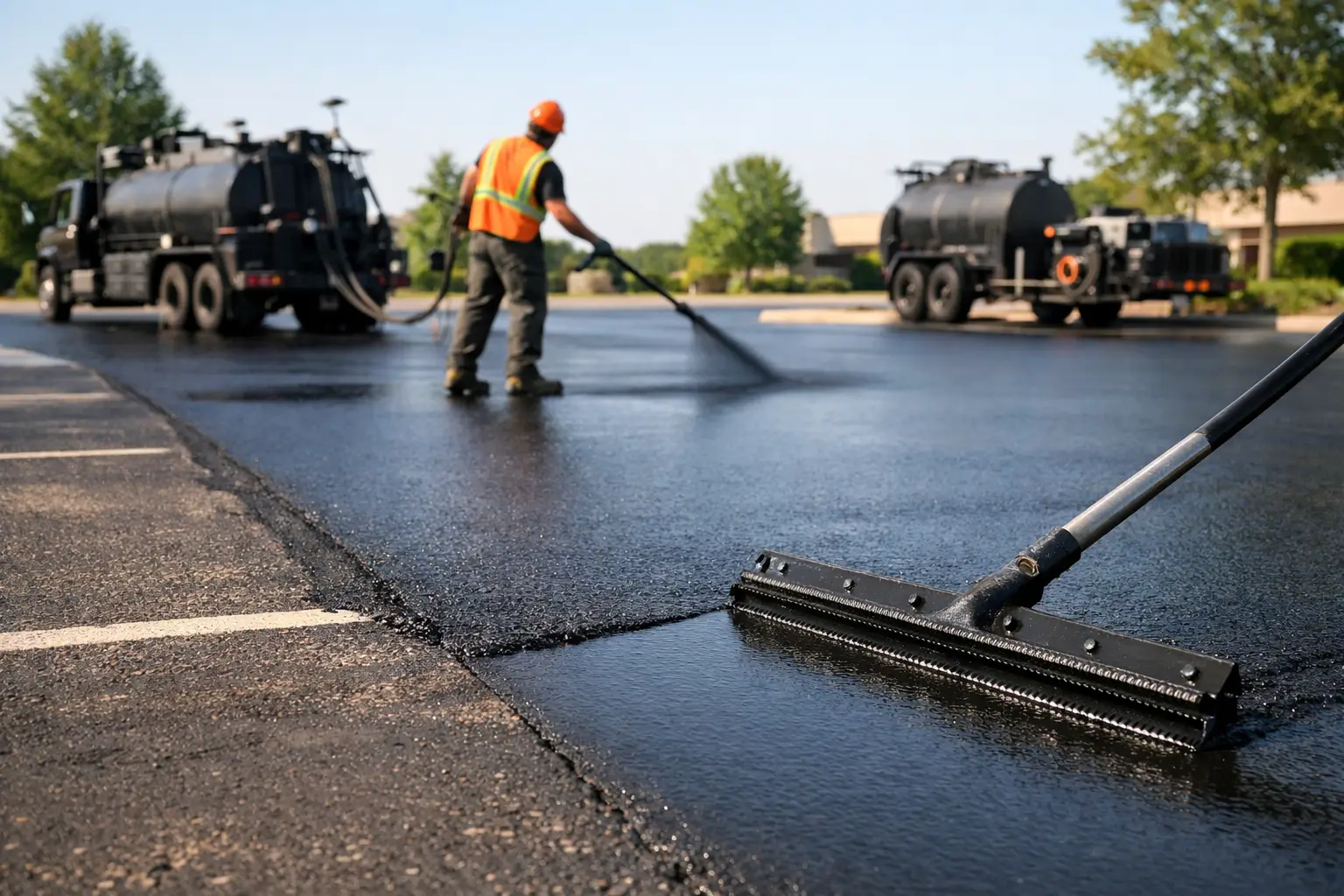
Professional sealcoating applies a protective barrier over sound asphalt after the surface has been cleaned and necessary cracks or potholes have been addressed. That barrier shields the pavement from everyday exposure while restoring the deep black appearance people associate with a well-kept driveway or parking lot.
Sealcoating is not a substitute for structural repair. If asphalt has widespread alligator cracking, major base failure, or deep potholes, repairs may need to come first. A dependable contractor will tell you that plainly rather than coating over problems that should be fixed.
The Benefits of Professional Sealcoating Services
It helps keep water out of the pavement base
Water is asphalt’s most persistent enemy. It enters through cracks and porous areas, then reaches the stone base below. In winter, that water freezes and expands. When it thaws, it leaves weakened spaces behind. Repeated freeze-thaw cycles can turn a hairline crack into a broken section of pavement.
A properly applied sealcoat helps limit surface water penetration. It will not erase existing cracks, which is why crack filling matters, but it adds a layer of defense across the broader pavement surface. That protection is especially valuable in West Chester and throughout Pennsylvania, where seasonal weather can be hard on driveways and lots.
It slows sun and oxidation damage
UV exposure gradually dries out asphalt’s natural binders. The surface fades from black to gray, becomes more brittle, and is more likely to crack under traffic and changing temperatures. A fresh sealcoat reduces direct exposure to the sun and helps preserve the pavement’s flexibility.
The visual change is immediate, but the practical value is longer-term. Restoring that dark, finished surface is not just about curb appeal. It is part of a disciplined maintenance approach that can help extend the useful life of the asphalt.
It resists fuel, oil, and everyday stains
Vehicle leaks are common on residential driveways and commercial parking areas. Oil, gasoline, and other automotive fluids can soften asphalt binders and leave stains that are difficult to clean. Sealcoating gives the surface an added measure of resistance, making it easier to manage spills before they cause more damage.
No coating makes pavement invincible. Fresh fuel spills should still be cleaned promptly, and heavy commercial traffic may require a different maintenance schedule than a lightly used home driveway. But a protected surface gives you a better starting point than unsealed, weathered asphalt.
It improves curb appeal without replacing asphalt
A faded driveway can make an otherwise well-maintained home look neglected. The same is true for a parking lot in front of a retail center, office building, or multifamily property. Professional sealing restores a uniform jet-black finish that immediately looks cleaner and more cared for.
For homeowners, this can support stronger curb appeal before a gathering, home sale, or simply another season of enjoying the property. For businesses, it helps reinforce a simple message before visitors walk through the door: this property is maintained with care.
It can reduce long-term repair costs
Replacement is the most expensive answer to asphalt deterioration. Resurfacing and reconstruction are significant projects, particularly when a failing lot affects customer access, deliveries, or tenant operations. Routine sealing and targeted repairs cost far less than waiting for the pavement to break down.
The exact savings depend on pavement age, drainage, traffic volume, and the condition of the base. Still, the principle is straightforward: maintaining sound asphalt is usually more cost-effective than neglecting it until major repairs are unavoidable. Every job should be treated like our reputation depends on it. Because it does.
Why Professional Application Makes a Difference
Sealcoating is only as effective as the preparation and materials behind it. A quick, thin application over dirt, loose debris, unfilled cracks, or damp pavement may look dark for a short time, but it will not deliver the protection property owners expect.
Professional crews begin by evaluating the surface. They identify cracks, potholes, drainage concerns, failed edges, and areas where sealing is not yet the right solution. The pavement is cleaned so the material can bond correctly, repairs are completed where needed, and sealcoat is applied evenly with attention to coverage and edges.
Premium-grade material matters, but workmanship matters just as much. The goal is not simply to make asphalt black for a day. It is to apply a durable protective layer at the proper time and under appropriate weather conditions.
For commercial lots, the work also needs to fit the property’s operational needs. Phasing, access planning, cure time, and clear communication help minimize disruption. Once the lot is protected, fresh line striping can restore orderly traffic flow, visible parking stalls, and ADA-compliant markings where required.
When Should You Sealcoat a Driveway or Parking Lot?
Timing depends on the pavement’s condition, usage, and history. New asphalt generally needs time to cure before its first sealcoat. After that, many residential driveways benefit from resealing on a regular schedule, often every two to three years. High-traffic commercial properties may need more frequent attention.
The calendar alone should not decide the job. A driveway with active cracking, standing water, or loose pavement needs an assessment first. Sealing over a damaged surface can hide warning signs temporarily, but it does not solve the underlying issue.
Watch for fading color, fine cracks, rough texture, small potholes, worn edges, and areas where water lingers after rain. These are practical signals that your pavement may need maintenance. Addressing them early gives you more options and better control over the cost.
A Smarter Maintenance Plan for Pennsylvania Asphalt
The strongest asphalt maintenance plans combine inspection, crack repair, surface sealing, and timely pothole repair. Commercial properties should also include line striping reviews, especially where faded markings affect safety, traffic flow, or accessible parking compliance.
There is no pressure to perform work that your pavement does not need. The right service scope should match the actual condition of the asphalt, whether that means sealing a sound driveway, repairing isolated problem areas, or planning more substantial restoration work for a failing lot.
Eagle Seal Coating provides straightforward estimates for homeowners and property managers who want clear answers about what their pavement needs now and what can wait. Quality maintenance is not about selling the biggest project. It is about protecting the investment in front of you with the right work at the right time.
If your asphalt is beginning to fade, crack, or lose its finished appearance, a free, no-pressure evaluation can bring clarity before another Pennsylvania winter adds to the damage. A well-maintained driveway or parking lot does more than look sharp – it gives your property a stronger surface to rely on every day.
Need Help With Your Driveway?
Get a free, no-obligation estimate from Eagle Seal Coating. We'll give you an honest recommendation — no pressure.
Get My Free Estimate →